













Railway Chai Wala






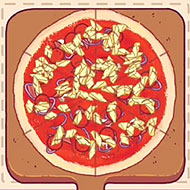

















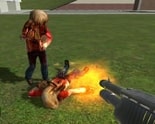

















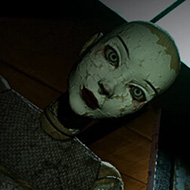
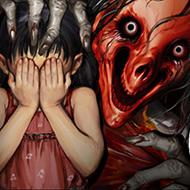








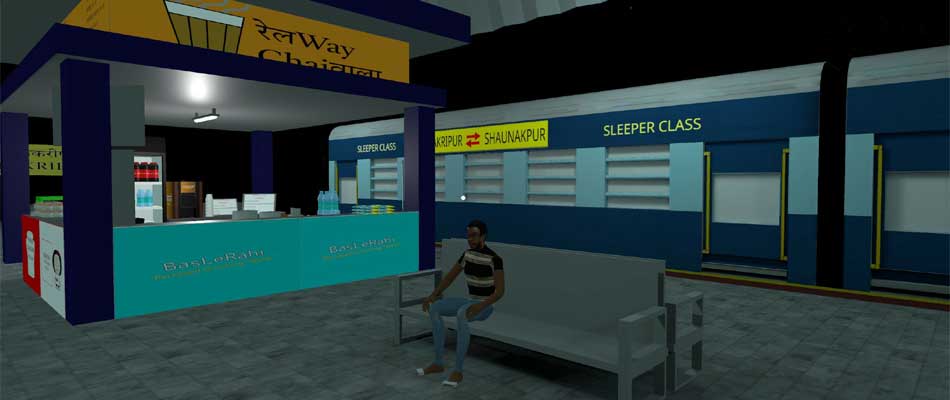
You crack the gas valve under the stall, wait for the blue flicker, and set the first pan of milk to heat while a loudspeaker somewhere down the platform announces a train that hasn’t arrived yet. That’s how every session of Railway Chai Wala begins: not with a menu screen full of lore, but with your hands already busy. Ramu’s stall sits at the edge of Fakripur station, and for the first few minutes the game plays exactly like it looks in the screenshots — brew chai, fry a samosa, hand a bottle of Kokila Cola to a tired traveler. Then something about the rhythm starts to feel off, and the game quietly turns into something very different.
Anyone landing on this page is probably here for one of two reasons: you just finished Railway Chai Wala and want to compare notes on what actually happened at Fakripur station, or you’re trying to figure out whether a game built around brewing tea can genuinely carry a horror story. Both questions get answered the same way — by paying close attention to a setting that looks mundane on the surface and rewards players who don’t treat it that way.
| Genre | Psychological horror thriller with simulation and cooking elements |
| Platform | PC (Windows) |
| Core mechanic | Brewing chai and serving passengers while a hidden mystery unfolds around the stall |
| Key characters or items | Ramu, Kokila Cola, samosas, vada pav |
| Primary zone or setting | Fakripur railway station |
| Number of modes or levels | One continuous story shift, no separate levels or difficulty modes |
Everything below is organized the way a returning player would want it: the daily mechanics first, then the controls, then the point where Railway Chai Wala starts showing its real hand, and finally the community talking points that come up once you’ve seen the whole story.
Learning the Rhythm of the Platform
The first mistake almost everyone makes is treating the chai-brewing loop like a background chore instead of the thing the game is actually testing you on. Milk has to hit a rolling boil before the tea leaves go in, the pan needs stirring at a pace that isn’t announced anywhere in a tutorial box, and a passenger who’s been standing at the counter too long will grumble and walk off toward another stall further down the platform. None of this fails you outright early on, but it sets the tone: Ramu’s shop runs on attention, not reflexes.
Beginners also tend to rush the samosa frying station because it looks like the least important task on the counter. It isn’t. Passengers order snacks in batches right before boarding announcements, and missing that window means watching them leave hungry and irritated, which changes how they talk to Ramu the next time they show up. Railway Chai Wala never explains this outright — you learn it by losing a regular’s goodwill and noticing the difference in dialogue on their next visit.
What makes the early hours here work is how ordinary all of this feels. You’re not hunting for keys or solving puzzles yet. You’re just running a tea stall at a busy station, and the game trusts that the mundane detail is interesting enough to hold your attention until it starts pulling the floor out from under you.
Roughly the first third of the game plays this way, and it’s worth resisting the urge to rush through it just because you know a horror game is coming. The routine you build during those opening minutes — how you time the boil, which regulars you greet first, how quickly you clear the counter between trains — becomes the baseline the rest of the story measures against. Without it, the later deviations don’t register the same way.
It’s worth saying plainly: Railway Chai Wala is not trying to trick you during this opening stretch. Everything you learn about the stall, the boil times, the order of operations behind the counter, stays true for the entire experience. There’s no rug-pull on the mechanics themselves, only on what they eventually reveal.
Every Key You’ll Press Behind the Stall
Railway Chai Wala uses a standard first-person control scheme, and getting comfortable with it early saves you from fumbling during the moments when the game wants you to react quickly.
- WASD — move Ramu around the stall and out onto the platform
- Mouse movement — look around and aim your view at objects, passengers, or the pan on the stove
- Left mouse button — interact with the highlighted object in front of you, from stirring the pan to handing over an order
- E — pick up or examine items on the counter and around the station
- Shift — sprint, useful once the station stops feeling entirely safe
- Esc — pause and access the settings menu
There’s no combat and no complicated inventory wheel to memorize, which fits the game’s identity as a slow-burn story rather than an action title. The simplicity of the control scheme is part of why Railway Chai Wala reads as approachable even to players who normally avoid horror games — you’re never fighting the interface, only the growing unease of the setting.
One thing worth knowing before you start: there’s no stamina bar tied to sprinting and no stealth meter to manage, so the controls stay exactly as simple in the tense second half of the game as they are during the calm opening shift. That consistency is deliberate. The developers clearly wanted the fear to come from what’s happening at Fakripur station, not from fumbling a control scheme you half-remember from a different genre.
When the Platform Stops Feeling Normal
There’s a specific moment players bring up constantly when they talk about the game: the first time an announcement plays for a train that never pulls into Fakripur station. It’s a small detail, easy to miss if you’re focused on the pan in front of you, but once you notice it you start listening for it every time the loudspeaker crackles on.
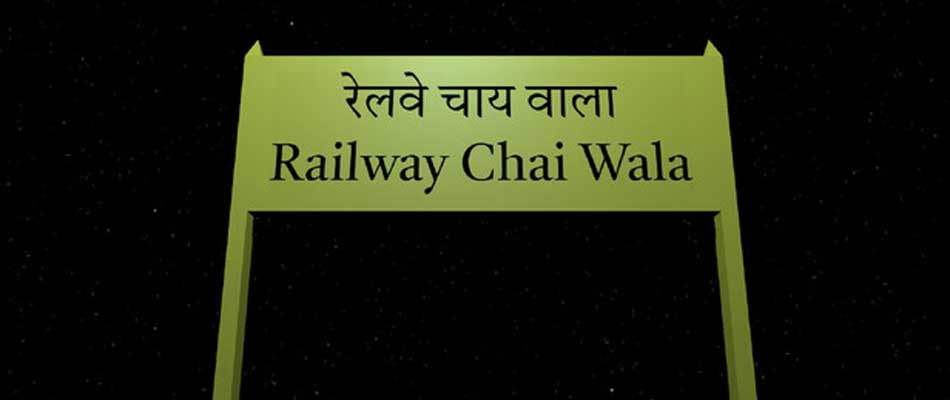
From that point, the game layers in strange behavior gradually rather than all at once. A passenger repeats an order they already picked up. The lighting on the far end of the platform dims for a beat longer than it should. None of it is explained through exposition dumps — Railway Chai Wala prefers to let you sit with the wrongness and decide for yourself how worried to be, which is exactly the restraint that fans of grounded horror titles like Fears to Fathom point to when they recommend this game.
By the time you reach the section where Ramu is asked to close up the stall for the night, Railway Chai Wala has stopped being a simulation with horror elements and become something closer to a slow reveal, built entirely out of details you were trained to notice during the ordinary early shift.
What separates Railway Chai Wala from a lot of similarly-priced indie horror titles is that it never breaks its own established rules to scare you. Every unsettling beat connects back to something the station already taught you to expect — a schedule, a regular’s habits, the specific sound of a kettle reaching temperature — which is exactly why the wrongness lands instead of feeling like a cheap jolt tacked on for effect.
It’s this restraint, more than any single scare, that people mean when they call it effective rather than flashy. The station gives you just enough to notice, never enough to be certain, until the story forces the issue on its own terms.
The Faces That Return to Ramu’s Counter
Fakripur station in Railway Chai Wala isn’t populated with disposable background characters. A handful of passengers return to Ramu’s stall across the story, and each one carries a small piece of the larger mystery without ever spelling it out directly. One regular always orders the same cup of chai at the same volume of sugar, which makes the one time he changes his order feel unmistakably significant. Another shows up asking about a train schedule that doesn’t match anything posted on the platform boards.
Players who lean into role-playing the chaiwala side of the job tend to greet every regular the same way each time, treating the counter like a real service position — and that habit is exactly what makes the deviations land. Players who are there mainly for the horror payoff often admit they started paying closer attention to dialogue only after the second or third strange encounter, once it became clear the story was tracking who they’d talked to and when.
Either way, the returning cast is doing more narrative work than the marketing lets on, and missing a conversation with one of them early can leave later scenes feeling less earned than they’re supposed to.
It also helps to remember that Fakripur station is a real place within the fiction, not just a backdrop dressed up for a jump scare. The vendors near Ramu’s stall, the announcements over the loudspeaker, and the regulars who pass through all behave like people with routines of their own, which is exactly why it’s so noticeable when one of those routines quietly breaks.
A third type of player shows up in the comments under most gameplay videos too: the completionist who goes back specifically to talk to every regular before ending the shift, treating the counter conversations almost like a checklist rather than incidental flavor. In community discussions, people often describe the game as feeling closer to a walking sim with a job attached than a traditional horror title, and that framing captures why it rewards a patient, conversational approach over a rushed one.
None of these player types are mutually exclusive, and most people who finish Railway Chai Wala end up shifting between them across a single playthrough — cautious during the opening shift, then increasingly thorough once the station stops feeling ordinary.
Reading the Details Most Players Miss
Most first playthroughs move too fast through the stall to catch the smaller environmental storytelling scattered around Fakripur station. The condition of the tea leaves in Ramu’s tin changes subtly as the shift goes on, and a few of the posters glued to the station pillars are worth reading in full rather than glancing past.
- Slowing down between customers to actually look at the platform, not just the counter
- Noticing which passengers glance toward the tracks instead of the stall while ordering
- Listening for background dialogue between other station workers around the platform, not just Ramu’s own lines
None of this is required to finish, but players who skim through report the ending landing with less weight than it’s built to carry. The short runtime, usually well under two hours for a first playthrough, is deliberately paced so that a careful player and a rushed one come away with noticeably different impressions of what actually happened at Fakripur station.
This is also where Railway Chai Wala rewards a second playthrough more than most people expect from a short indie title. Details that read as background texture the first time — a poster you glanced past, a comment a regular made in passing — carry very different weight once you already know how the story at Fakripur station resolves. It’s a small game, but it’s built with the kind of layering that survives replaying.
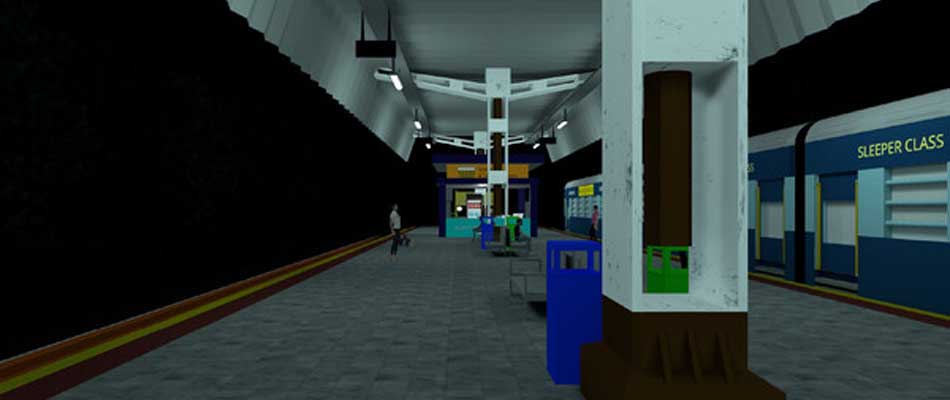
One specific detail worth watching for: the way steam from the chai pan hangs in the air changes almost imperceptibly once the platform lighting shifts late. It’s the kind of thing you’d only notice if you’d already spent a full shift watching that exact steam rise a hundred times during the ordinary opening hour, which is precisely why the game front-loads so much repetitive, mundane brewing before anything strange happens.
What Other Chaiwalas Learned the Hard Way
Community threads about Railway Chai Wala are full of small pieces of advice that only make sense once you’ve already made the mistake once. Newcomers to the game tend to repeat the same handful of errors during their first shift at Fakripur station, so here’s what regulars tend to pass on to first-time players before they even boot the game up.
These aren’t gameplay-breaking mistakes — the game is forgiving about most of them — but each one changes small details in how the shift unfolds, and none of them are explained anywhere in the settings or menus.
Don’t let the milk boil over while you’re distracted talking to a passenger — a scorched pan doesn’t just cost you time, it visibly changes how the next customer reacts to the stall.
Keep half an eye on the platform boards even when no one’s ordering. The schedule mismatches in Railway Chai Wala are some of the earliest hints that something at Fakripur station isn’t behaving normally.
If a regular’s dialogue suddenly feels shorter or colder than usual, don’t dismiss it as a bug. Railway Chai Wala uses those tonal shifts as quiet signposts rather than glitches.
Serve the vada pav orders promptly during the evening rush. Passengers who wait too long for snacks tend to skip Ramu’s stall on their next pass through the station.
Save your closing-up routine for after you’ve talked to every regular who showed up that shift — some late-game context only surfaces if you’ve built up enough of those small conversations.
Most of these tips exist because the game doesn’t hold your hand through consequence — it lets small mistakes accumulate quietly instead of flagging them with a warning popup, which is part of why community advice threads fill in the gaps a tutorial normally would.
The Parts Players Still Argue About
Not everything about Railway Chai Wala lands cleanly, and it’s worth being upfront about that instead of pretending the game is flawless. The pacing in the middle stretch, right after the first strange incident but before the station fully tips into its darker register, drags for some players who expected the tension to escalate faster. Reviews on Steam are largely positive, with the vast majority of the roughly sixty user ratings landing favorably, but even fans of the game tend to describe that middle section as the point where patience is tested.
There’s also a genuine split over how much the game explains by the end. Some players appreciate that Railway Chai Wala trusts them to piece together what happened at Fakripur station from environmental clues and shifting passenger behavior. Others walk away wanting a firmer answer than the story is willing to give, and that disagreement shows up in nearly every discussion thread about the ending.
What almost nobody disputes, though, is that the atmosphere holds up. Even players frustrated with the pacing tend to admit the sound design around the platform, the specific hum of a station that’s a little too quiet, does most of the heavy lifting that makes it memorable.
It’s also fair to say the game benefits from being played without much outside context. Going in cold, with only the basic premise of a chai stall at a busy station, seems to produce a stronger reaction than going in already primed for a specific kind of scare. That’s worth keeping in mind if you’re deciding whether to watch a full walkthrough before playing it yourself — a lot of the impact depends on discovering Fakripur station’s wrongness at your own pace.
The barrier to trying it is another point that comes up in nearly every thread about the game. There’s no cost attached to picking it up, which lowers the bar considerably compared to a full-priced horror release, and a fair number of reviewers specifically call that out as the reason they gave a small Indian indie title a chance in the first place. Whether the short runtime feels like enough content is still debated, but almost nobody argues it overstays its welcome.
A handful of the same questions come up over and over in comment sections and community threads whenever Railway Chai Wala gets brought up, so it’s worth answering them directly.
Frequently Asked Questions
Is Railway Chai Wala a long game?
No, it’s a short game. Most first playthroughs land under two hours, and the developers built the pacing around a single continuous shift at Fakripur station rather than multiple chapters or replayable levels. Players who slow down to read environmental details and talk to every regular tend to land toward the longer end of that range.
Do choices in Railway Chai Wala affect the ending?
In Railway Chai Wala, the story is largely linear, but how thoroughly you engage with passengers like the regular who always orders the same cup of chai does change how complete certain late-game scenes feel. It’s less a branching-choice system and more a matter of how much context you’ve accumulated by the time Ramu closes the stall, which is part of why two players can walk away from the same game with different readings of what happened.
Does Railway Chai Wala have jump scares?
The game leans more on sustained unease than sudden shocks, closer to the grounded, slow-burn horror of Fears to Fathom-style titles than a scare-per-minute format. The tension comes from noticing that something at the station is wrong, not from loud jump-scare stings.
By the time the last announcement plays over an empty platform and Ramu pulls the shutter down on the stall, the game has stopped being about chai and samosas and become a game about paying attention. The stack of vada pav orders, the regulars who never quite explained themselves, the schedule board that never matched what you heard — none of it resolves into something you can point to as a single twist, and that’s the point. Fakripur station stays with you exactly because Railway Chai Wala never tells you outright what you saw.

Discussion
There are no reviews yet. Be the first one to write one.