
















Hariti











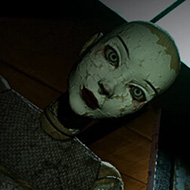

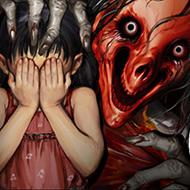
Hariti asks a mother to walk into a hospital that’s already failing before she’s even found what she’s looking for. Every hallway she checks is one hallway closer to her missing daughter, and one hallway further from anything resembling a normal search.
In Hariti, the Hospital Is the Mystery, Not Just the Setting
You play as a mother searching for her missing daughter through a crisis-ridden hospital, moving through the space to uncover clues and story fragments that slowly explain what’s actually happened here. Hariti leans on mood, setting, and story rather than fast-paced combat to build its horror, which means slowing down to actually look at a room tends to matter more than moving through it quickly.
Sound design carries a lot of that mood — whispered audio cues, ambient environmental noise, and stretches of deliberate silence all contribute to the tension between one discovery and the next.
Survival Elements Exist, but Combat Isn’t the Focus
Limited tools or “appropriate weapons” are available for dealing with threats, but Hariti’s design keeps the emphasis on exploration and investigation rather than sustained combat encounters. Players expecting a fight-heavy horror game may find the survival elements feel secondary to simply piecing together what happened to the daughter and to the hospital itself.
Is Hariti focused on combat or exploration?
Exploration and investigation are the primary focus — combat and survival tools exist, but they support the search for the daughter rather than driving the game on their own.
What stays with most players after Hariti isn’t a specific threat encountered along the way — it’s the accumulation of clues about the missing daughter, each one making the hospital feel a little less like a setting and a little more like a place actively working against the mother searching it.
Comments
There are no reviews yet. Be the first one to write one.