

Featured Games

Instead of chasing a high score or a final boss, this category asks players to manage systems — a farm, a city, a household, an aircraft — and observe how small decisions ripple outward over time. The appeal isn’t a finish line; it’s the ongoing process of building and adjusting something that behaves according to its own internal rules.
The strongest entries in this category rely on interconnected variables rather than isolated tasks. Raise taxes in a city-building title and population growth might slow, which then affects tax revenue itself, creating a feedback loop the player has to account for. That interdependence is what gives these systems weight, since no single decision exists in isolation from the rest.
This label covers a wide range of subjects, and it helps to break them down:
Someone drawn to spreadsheets and optimization tends to gravitate toward management formats, while players who enjoy storytelling often prefer the life-focused branch.
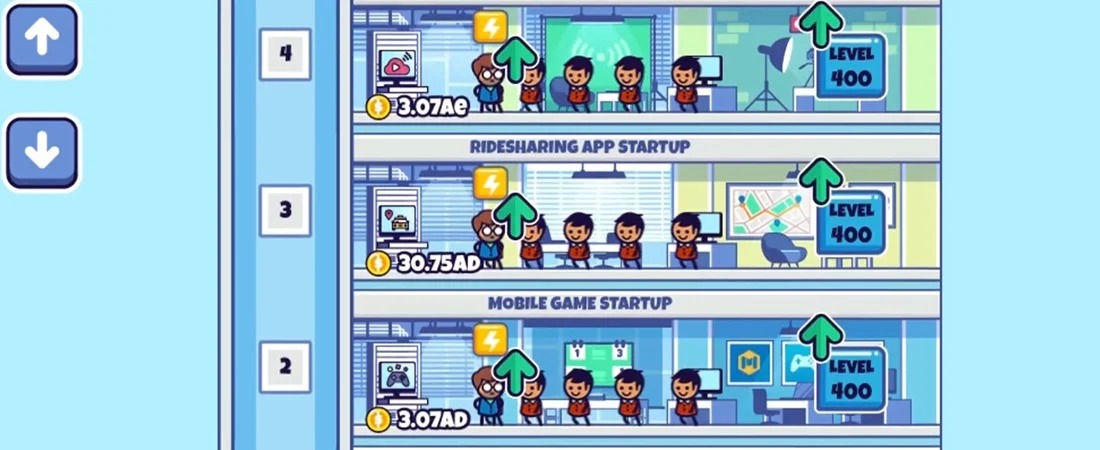
Unlike many genres, failure in this category rarely means a sudden game-over screen. Instead, poor decisions usually cause gradual decline — a business losing customers, a city facing traffic congestion, a garden wilting from neglect. This slower consequence structure encourages long-term thinking rather than reactive responses, since the effects of a mistake often aren’t visible until several turns later.
A recurring reason people stay with a single title for dozens of hours is the degree of customization on offer. Being able to design a layout, name characters, or set unique rules for how a system runs gives each playthrough a personal shape, even when the underlying mechanics stay identical between sessions. This is part of why screenshots from this category look so different from one player to the next despite starting from the same base title.
Some titles run continuously, with systems evolving whether or not the player is actively making changes, which suits people who enjoy checking in periodically. Others pause between turns, giving space to plan a move carefully before committing. Neither approach is objectively better, but the choice significantly changes how a session feels, and it’s worth checking before committing time to a lengthy title.
Newcomers often assume every entry in this category demands hours of learning before anything makes sense, but plenty of titles ease players in through short opening scenarios. A catalog like the one on GameVault often labels entries by complexity, which is a useful shortcut for finding something manageable before moving on to deeper, more system-heavy options.
What keeps people returning to this category isn’t a single dramatic moment but the steady accumulation of small choices — a farm that slowly expands, a city that gradually stabilizes, a household that finds its rhythm. That patient, ongoing process is the genre’s real draw, and it’s one reason these systems remain engaging long after the initial novelty wears off.