















Cooking Fast


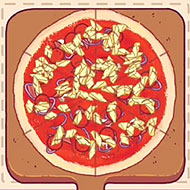








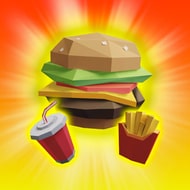




Cooking Fast looks like a cute little burger stand with cartoon buns and a smiling grill icon. It plays like a countdown you can lose in twelve seconds flat, because every order carries its own coin target and its own clock, and missing either one sends a customer stomping out unpaid.
| Genre | Time-management cooking simulation |
| Core Mechanic | Assemble hot dog and burger orders against a timer and coin goal |
| Core Loop | Fry, top, plate, serve, then reinvest coins into upgrades |
| Structure | Sequential days, rising order complexity |
The Grill, the Toppings, and the Clock in Cooking Fast
Every shift in Cooking Fast starts the same way: a ticket appears, a customer states what they want on their hot dog or burger, and you build it in order before the timer bar drains. Sausages hit the grill first, and you cannot rush that part, the frying animation runs its own clock no matter how fast you click.
Once the meat is ready, toppings become the real test. Onions, pickles, cheese, and ketchup sit on the counter as tappable ingredients, and a wrong topping on the wrong order is often worse than a slow one, since the burger must be rebuilt from scratch while the timer keeps running. New players consistently grab whatever ingredient is closest instead of rereading the ticket.
What separates a good run from a wasted one is not raw speed but sequencing. Players who plate in the same order every time, meat first, then toppings top to bottom, waste far less time than players jumping around juggling several orders at once.
Daily Coin Targets and Why Cooking Fast Gets Harder Fast
Each day in Cooking Fast comes with two numbers stacked against each other: a coin target you must hit and a hard time limit you cannot exceed. Early days are forgiving, with simple two-ingredient orders and generous timers, the kind of shift where one bad plate will not sink the whole day.
That changes fast. By the fourth or fifth day, orders start stacking two and three customers deep, each wanting a different topping combination, and the coin target climbs faster than a stock kitchen can match. This is where players either upgrade equipment seriously or start failing days repeatedly.
The difficulty curve is one of the more debated parts of Cooking Fast. Some players like that it forces real prioritization once multiple tickets are on screen. Others find the jump uneven, arguing coin targets scale faster than the tools available to hit them, making certain days feel like a wall.
Kitchen Upgrades That Actually Matter
- Faster grills cut frying time, mattering more than any other upgrade once orders overlap.
- Extra prep stations let you hold partly finished orders instead of losing progress when a second customer arrives.
- Drink and side stations cut the separate stops a ticket requires, shaving seconds off complex orders.
- Coin multiplier upgrades matter less early on but become the difference on harder days.
Coins earned from served plates in Cooking Fast are the only resource you have, so spending order matters. Players who dump coins into cosmetic decorations instead of grill speed hit a wall around the days where coin targets start climbing sharply.
The grill upgrade gets discussed constantly among regular players, since it noticeably changes orders completed before a day’s timer runs out. A single early grill upgrade can be the difference between three failed days and a clean run through them.
Advanced players pre-plan their build order before the first ticket appears, mentally sorting ingredients by how the day’s menu has looked so far. That habit separates players who clear a day with coins to spare from players scrambling on the last order.
Frequently Asked Questions
What is the fastest way to avoid failing a day in Cooking Fast?
Prioritize grill speed upgrades first, since the frying step is a fixed animation length the game never lets you skip. Everything downstream of the grill depends on that bottleneck, so shaving seconds there raises your daily ceiling more than any topping shortcut.
Why do some orders in Cooking Fast take longer even with upgrades?
Orders with three or more toppings require more taps and more chances to misread the ticket. Complex burgers slow players even after upgrades, which is why sequencing toppings matters as much as raw speed.
Does serving the wrong order in Cooking Fast cost more than a slow one?
Yes, a wrongly built plate must be scrapped and restarted, costing ingredients and time. A slow but correct order still earns coins toward the day’s target, while a wrong one earns nothing at all.
None of that makes Cooking Fast forgiving, and it is not meant to be. The appeal sits in the tension between the grill’s fixed frying time and a coin target that refuses to slow down, and every clean day you pull off feels earned, not handed to you.
Comments
There are no reviews yet. Be the first one to write one.