







Toca Boo



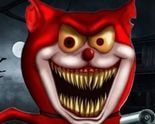




Toca Boo looks like a cute haunted-house doodle at first glance, but it plays like a tense staring contest between a ghost and strangers who will not take a hint. There is no map to explore and no long corridor to creep down. Instead, the game drops you into a single room and asks you to defend it, over and over, from buyers who keep walking back through the door.
| Genre | Horror, Simulation |
| Setting | Single-room house interior |
| Controls | Hold left mouse button to move, P or Esc to pause |
| Session Length | Short, built for one sitting |
One House, One Ghost, and Buyers Who Keep Coming Back
The setup in Toca Boo is deliberately small. You are the ghost, the house is yours, and a rotating cast of buyers keeps letting themselves in to look the place over. Your job is to make them cringe hard enough that they turn around and leave before they can put in an offer. There is no dialogue tree and no negotiation, and the game never pretends otherwise.
What makes the loop stick is how the buyers behave. They do not walk a fixed path. They wander, check corners, glance toward doorways, and react to whatever you are doing that exact second. A buyer looking away is an opening. A buyer who has already spotted you is a problem you have to solve differently, and Toca Boo never explains this outright.
New players almost always make the same mistake: scaring the first buyer the moment they see them, without checking whether anyone else has walked in behind that buyer. Toca Boo punishes tunnel vision, and splitting attention across two visitors is the real skill being tested, not jump-scaring on reflex.
Reading Approach Angles Before Toca Boo Punishes You For Guessing
Buyers do not all enter from the same spot, and that single detail changes how you have to play. Players who treat Toca Boo like a fixed shooting gallery get overwhelmed fast, because the room state keeps shifting under them. A buyer’s line of sight matters more than any timer, and staying in a blind spot a beat too long usually costs you a clean scare.
Most players who settle into a working rhythm end up following roughly the same sequence without ever writing it down:
- Track which side of the room a new buyer just entered from.
- Wait until their line of sight drifts away from your position.
- Close the distance while they are turned, not across open floor.
- Trigger the scare only once they cannot glance away in time.
- Check for a second buyer before celebrating the first one leaving.
Skipping that last step is the single most common way a clean run in Toca Boo falls apart. Pressure also builds unevenly: early attempts feel manageable with one or two buyers, but once several visitors fill the house at once, the margin for a wrong read shrinks fast.
The Bat, the Dark, and Other Cringe Tools Toca Boo Hands You
A bat flutters through the room as environmental texture, and lighting does real work here too, not just decoration. Darker corners hide your movement, while brighter parts of the room expose you the moment a buyer turns your way.
Sound layers on top of that lighting, giving away entries before you can even see them. Players who mute the game report a harder time, which says how much of Toca Boo is tuned by ear.
Does Toca Boo have jump scares? Not in the usual sense of scripted shocks aimed at the player. The scares here run the other direction, aimed at the buyers, with sound and timing built to sell the moment rather than startle whoever is holding the mouse.
Why the Ending Lands Even Though Toca Boo Never Explains Itself
The most consistent thing players say about Toca Boo is that the ending feels earned. After a short run of escalating close calls, the payoff lands harder than the length would suggest, largely because nothing before it was explained through text. Players debate that choice: some find it confident, others wish one early hint had come before the first buyer walked in.
How long does Toca Boo take to finish? A single sitting covers it for most players, closer to a short survival challenge than a full campaign. How do you actually scare buyers away? By reading their vision and approach direction and acting while their back is turned, not by mashing an action the instant one appears.
Toca Boo rewards patience dressed up as panic, which is the joke sitting underneath the cringe theme. Players expecting a straightforward chase are usually the ones most surprised by how much of the challenge is just waiting for the right half-second.
Toca Boo stays memorable for a short game because it commits fully to one idea: one ghost, one room, and buyers who will not take the hint until you make them. The bat overhead, the shifting light across that single room, and the moment a buyer finally bolts for the door are the details that stick after the credits roll, and they are why the game gets replayed even once the ending is already known.
Comments
There are no reviews yet. Be the first one to write one.