








House Of Hazards





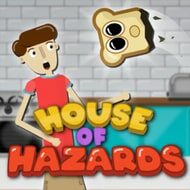
A toaster launching a slice of bread across the kitchen hard enough to knock someone out isn’t a bug in House of Hazards — it’s one of the game’s basic traps, and it tells you everything about the tone before a single round starts.
House of Hazards Turns Everyday Chores Into a Race
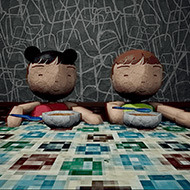
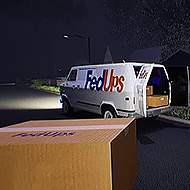
Up to four players compete to finish ordinary household chores — brushing teeth, making coffee, watering flowers, checking the mailbox — inside a house that’s actively working against everyone doing it. The chores themselves are mundane on purpose; the entire challenge comes from finishing them while the house tries to stop you.
New players tend to focus entirely on their own chore list and ignore the environment around them, which usually ends with them blindsided by a trap they walked straight past twice already.
The House Is the Real Opponent
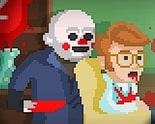
Swinging cabinets, falling lights, bursting water pipes, and a toast launcher are all built into the house itself, and any player can trigger them against opponents at the right moment. A pitching machine and lasers add more ways to interrupt someone mid-chore, and part of the skill is recognizing which hazards are nearby before walking into their range.
- Cabinets: swing open into anyone standing too close, often triggered deliberately by another player.
- Toast launcher: fires bread across a room, one of the more chaotic and recognizable hazards in the house.
- Water pipes: burst on demand, slowing down or stopping whoever’s caught nearby.
Timing a Trap Beats Spamming One
Since any player can activate most hazards, the actual skill in House of Hazards isn’t finding the traps — it’s timing them against an opponent who’s mid-task and can’t easily dodge. Triggering a hazard the instant it’s available usually wastes it on someone who wasn’t close enough to be affected.
- Watch where opponents are heading before triggering a nearby hazard.
- Save an obvious trap like the toast launcher for a moment an opponent is committed to a chore.
- Stay aware of your own surroundings even while focused on finishing a task.
House of Hazards’ Wheel of Fortune Keeps Nobody Comfortable
At the end of each round, a wheel of fortune spins to set new rules for the next one — reversed controls, speed penalties, or extra traps scattered through the house are all possibilities. This is one of the more debated parts of House of Hazards among competitive players, since a bad spin can undercut a lead built entirely on skill in the previous round. Casual groups tend to love exactly that unpredictability, while players chasing consistent competitive play find it frustrating for the same reason.
Can hazards hurt the player who triggers them?
Generally no — hazards are built to interrupt opponents, which is why timing them against someone else’s position matters more than reaction speed alone.
Does the wheel of fortune change every round?
Yes — it spins after each round ends, so the rules for the next round, including things like reversed controls or extra traps, aren’t fixed from the start.
What keeps House of Hazards from feeling like a solved formula is that wheel spin nobody controls — the round where reversed controls hit right as you’re one flower away from finishing is the one people bring up afterward, win or lose.
Comments
There are no reviews yet. Be the first one to write one.