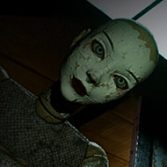


Featured Games

Tension built through sound design and restricted vision separates this category from almost anything else in the medium. Rather than overwhelming a player with action, the goal is to control what they can see and hear, letting imagination fill the gaps with something worse than what’s actually there.
Many of the strongest entries in this category intentionally limit combat options, sometimes removing them entirely. Without a way to fight back, a player’s only choices become running, hiding, or observing — decisions that carry far more weight than firing a weapon would. This restriction is deliberate: helplessness is a more reliable source of tension than firepower.
Audio does most of the heavy lifting in this genre. A creaking floorboard, distant footsteps, or sudden silence can signal danger long before anything appears on screen. Some titles even tie enemy detection directly to noise, meaning a player’s own movement — running instead of walking, for instance — can attract exactly the threat they’re trying to avoid.
Not every title in this space follows the same format. A few recurring structures include:
Each structure changes the pacing considerably, so two titles under this label can feel completely different from one another.
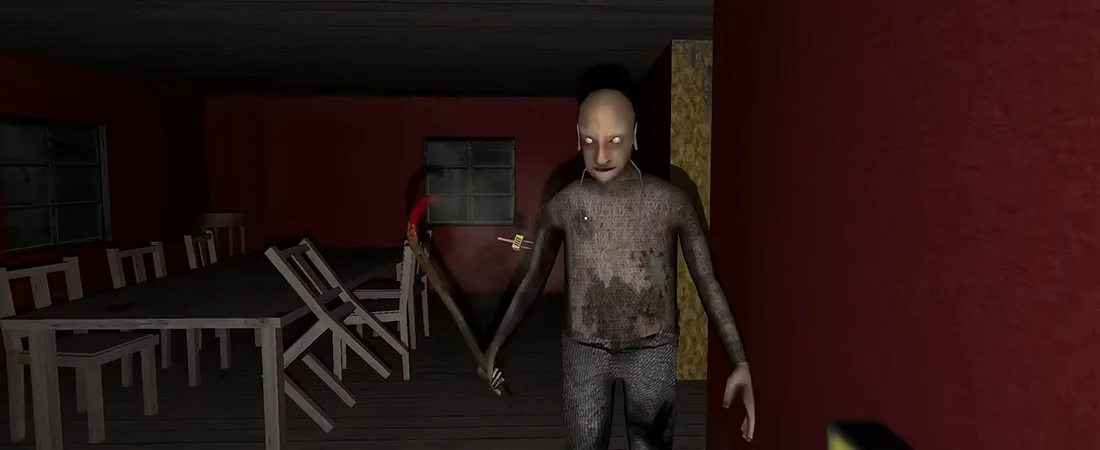
A common mistake in weaker entries is relying on constant jump scares, which quickly loses effect through repetition. Better-paced experiences alternate between quiet stretches and sudden disruption, so the player’s guard never fully settles. That unpredictability, more than any single scripted scare, is what sustains tension across a longer session.
Scarcity is a recurring tool across this category. A flashlight with a draining battery, a single save point, or one item that can only be used once all force decisions that carry consequences. These constraints replace traditional difficulty spikes, since the pressure comes from resource management rather than reflex challenges.
For players easing into this category rather than diving straight into the most intense titles, starting with shorter, narrative-focused experiences is usually a smoother entry point than a long survival format. Browsing a curated list, such as the horror section on GameVault, makes it simpler to gauge intensity beforehand through tags or descriptions rather than discovering it mid-session.
What separates a memorable entry from a forgettable one usually comes down to restraint — knowing when to show something and when to let silence do the work. That balance is difficult to get right, which is exactly why the titles that manage it tend to stay talked about long after the credits roll.