
















Shieldwall













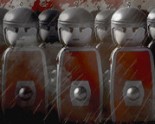
You pick a side of the field, a horn sounds, and Shieldwall throws you straight into a knot of armored fighters swinging at anything within reach. There’s no cutscene setting up who you’re fighting or why, just a bare arena, a handful of armed opponents, and a placeholder text block sitting where a real introduction would normally go before the swinging actually starts.
What Shieldwall Actually Plays Like Once the Horn Sounds
Combat here is close-range and simple: swing at whoever’s closest, back off when surrounded, and watch for an opening rather than trading hits evenly. There’s no named hero, no distinct enemy roster, and no confirmed objective beyond outlasting whoever else is still standing in the arena.
Beginners tend to wade straight into the middle of the fight, which works against a single opponent but falls apart fast once two or three knights converge on the same spot. Sticking near an edge of the arena, where only one fighter can reach you at a time, tends to keep a run going considerably longer than standing in the open center.
The game’s placeholder introduction text is easy to miss, but it’s a fair sign that Shieldwall is a thin, early-stage build rather than a fully realized medieval combat game with a story behind the swords.
Reading the Arena Instead of the Story
Since Shieldwall doesn’t confirm any named characters, zones, or story beats, the only real skill on offer is positioning: staying where fewer opponents can reach you at once, and picking off isolated fighters rather than engaging a full group. That’s a fair, if thin, arcade combat loop on its own.
- Stay near a wall or corner rather than the open middle of the arena.
- Target isolated opponents before they regroup with the rest of the pack.
- Back off the moment more than one fighter closes in at the same time.
Does Shieldwall have named characters or a real story?
Not that’s confirmed. What loads is a bare combat arena with a placeholder introduction and no named cast, zone, or plot beyond the fighting itself, and no evidence a fuller story was ever attached to this build.
Shieldwall works as a short, no-frills arena scrap rather than a story-driven medieval game, and treating it that way, a positioning test against a handful of armored opponents, is the most honest way to approach what actually loads behind the title, especially for anyone expecting a deeper campaign that simply isn’t part of this build.
Comments
There are no reviews yet. Be the first one to write one.