










Smile Dog

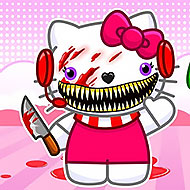










In Smile Dog, you start at what looks like an ordinary desktop, and the game’s opening trick is how long it lets that feel true. Every file opened and every message answered is a small decision about how much of this you actually want to trust.
Smile Dog’s Desktop Is the Entire Set
Smile Dog is built around a desktop environment where you open files, read messages, and respond to prompts as they appear on screen — there’s no character to walk around and no separate exploration layer, since the desktop itself is the whole space the game takes place in. That format is deliberate: it puts you in the same position as someone who genuinely doesn’t know yet whether the files in front of them are safe.
The story comes through indirectly, mostly through emails that hand over fragments of context rather than a clear, upfront explanation of what’s actually happening.
Irregularities Are the Real Threat
Rather than a monster or a chase sequence, Smile Dog escalates through altered images and unusual notifications that gradually stop matching what the desktop looked like a few minutes earlier. Recognizing when something has quietly changed is the actual skill the game is testing, not reflexes or timing.
Players used to more traditional horror games — the kind with hallways and jump scares — sometimes underestimate how unsettling a slowly corrupting file system can feel once you’ve been staring at the same desktop for several minutes.
Does Smile Dog have any traditional cutscenes?
No — the game delivers its narrative entirely through desktop elements like emails and altered files rather than separate cutscene sequences.
What kind of “irregularities” should I actually be watching for?
Small visual distortions and unexpected system notifications are the main signals — the game leans on the player noticing what’s different from a previous moment rather than announcing danger directly.
The moment Smile Dog actually lands isn’t a jump scare — it’s the second or third time an image or notification looks just slightly wrong from how it looked the first time you saw it, and you start second-guessing everything else on the screen.
Comments
There are no reviews yet. Be the first one to write one.