












Papers, Please















You check the photo against the face in front of you, check the entry permit’s seal against yesterday’s bulletin, and something’s off — you just can’t tell what yet, and the line behind this traveler isn’t getting any shorter. That’s a normal minute at the checkpoint in Papers, Please.
The Booth at East Grestin Is the Entire Game
Papers, Please puts you behind a desk in East Grestin, the border checkpoint into the fictional country of Arstotzka, working as an inspector for the Ministry of Admission. Every entrant hands over a stack of documents — a passport, sometimes an entry permit, a work pass, or diplomatic authorization — and your job is to compare them against each other and against the day’s rulebook before stamping approved or denied.
What makes this tense rather than tedious is that the rules change daily. A document that was fine yesterday can be grounds for detainment today, and the game never pauses to remind you which bulletin applies — you’re expected to have read it.
Papers, Please Rewards Paranoia Over the M.O.A. Rulebook, Not Speed
New players tend to process travelers quickly at first, matching names and photos at a glance. That works until the game starts introducing entrants with forged Access Permits or an Identity Card that doesn’t match its Certificate of Vaccination. Slowing down to actually cross-reference every field against the Ministry of Admission’s rulebook is what separates a clean shift from a stack of citations.
Citations aren’t just a scolding — they directly reduce your income for the day, and that income is the only thing standing between your household and missed rent or unheated rooms.
The Household You Never See Is Still the Point
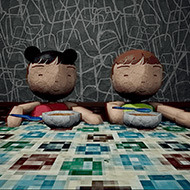
Back at the apartment are a mother-in-law, a wife, a son, and an uncle, none of whom appear on screen during a shift, but all of whom depend on what you earn at the booth. Rent, heat, and food all draw from the same small pool of approvals that avoided a citation, which is what makes an innocent-looking mistake at the booth feel heavier than it should for a game about paperwork.
Players who treat the family upkeep as a side detail tend to learn the hard way that a few bad days at the booth translate directly into a family member falling ill.
Discrepancies Are Designed to Be Missable
The search and fingerprint tools exist because photo-matching alone isn’t enough once forged documents start appearing indistinguishable from real ones at a glance. Players who rely purely on visual comparison tend to miss the entrants who are the actual threat, since the game is explicit that a convincing forgery is supposed to slip past a careless inspector.
What’s the fastest way to spot a bad document in Papers, Please?
There isn’t a shortcut — cross-referencing the entry permit, passport, and current bulletin against each other is the only reliable method, since the game varies which single field is wrong from entrant to entrant.
Does letting someone through by mistake always cost the same?
No — a citation’s impact compounds with repetition, since your income at the end of the day is what covers rent, heat, and food for your mother-in-law, wife, son, and uncle.
Do the required documents change every day?
Yes — the M.O.A. rulebook and daily bulletins shift which documents are mandatory, which is why memorizing a fixed checklist stops working within the first few days.
Papers, Please never lets the booth feel routine for long, because the moment you start trusting a pattern — an entry permit’s seal, a bulletin’s wording — is exactly when Arstotzka’s rules shift again and a citation is waiting on the other side of your own confidence.
Comments
There are no reviews yet. Be the first one to write one.