


















Nextbot Graveyard
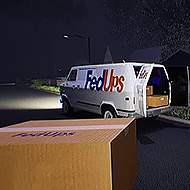















Nextbot Graveyard looks like it should play like a normal chase game with a clear escape route, but it plays like a hundred-second survival test where the exit only matters once the timer has actually run down. Standing near the door early doesn’t help; the level simply won’t let you leave until the clock says so, and that single rule reshapes every decision that follows.
| Genre | First-person horror survival |
| Stages | Six |
| Objective | Survive 100 seconds per round, then find the exit |
| Controls | WASD to move, mouse to interact |
Obunga, Sanic, and the Rest of the Nextbot Graveyard Roster
Each stage in Nextbot Graveyard swaps in a different pursuer pulled from the wider nextbot meme roster, including familiar faces like Obunga, Sanic, and Patrick Bateman. They all share the same core threat, closing distance relentlessly and killing on contact, but their speed and pathing differ enough that a strategy that works against one can fail badly against the next.
New players tend to assume the pursuers all move identically, which works until a faster one appears and closes a gap that would have been safe against an earlier stage’s chaser. Learning each pursuer’s specific pace by sight is most of what separates a clean run from a repeated restart.
Community discussion around Nextbot Graveyard often ranks the roster by how unfair a given pursuer’s speed feels on a first encounter, and that ranking shifts depending on which stage a player happened to struggle with first.
Why the 100-Second Timer Changes Nextbot Graveyard
Every stage in Nextbot Graveyard runs on the same 100-second clock, and the exit stays locked until it expires, no matter how close a player gets to it early. That single design choice turns the level from a straightforward chase into a war of attrition against a pursuer that never tires and never loses your trail once it locks on.
Beginners often make the mistake of sprinting for the door the moment they spot it, wasting stamina and position on an exit that isn’t usable yet. Learning to loop the level’s layout instead, using corners and obstacles to keep distance rather than making a beeline anywhere, is the actual skill the timer is testing.
By the time the clock reaches its final stretch, most players have already settled into a loop pattern around the level, and the last ten or fifteen seconds are where a small mistake, cutting a corner too tightly, most often ends a run that had otherwise gone well.
Where the Real Difficulty Spike Sits
Late stages introduce pursuers whose pace is noticeably faster than the early roster, and that jump is the honest difficulty spike players mention most often when Nextbot Graveyard comes up in conversation. It’s a fair criticism: the gap between an early stage and a late one is sharper than the gradual ramp the first couple of levels suggest.
- Early stages favor a slower pursuer that rewards simple looping around obstacles.
- Middle stages start punishing tight corners and hesitation near the locked exit.
- Late stages demand constant repositioning against a pursuer that closes gaps fast.
- How many stages does Nextbot Graveyard have? Six, each built around a different pursuer from the nextbot roster, with pacing and speed that vary stage to stage rather than staying consistent throughout.
- What happens if a nextbot catches you? Contact ends the run instantly; there’s no health bar or damage system to absorb a hit, so avoiding contact entirely is the only real strategy.
- Can you leave before the 100-second timer runs out? No. The exit stays locked regardless of position until the full 100 seconds have passed, which is the core rule shaping how every stage is actually played.
Nextbot Graveyard earns its replay value less from any single pursuer and more from how differently each of the six stages demands you loop the same small space, whether you’re circling away from Obunga’s steady pace or scrambling clear of a faster chaser late in the roster.
Comments
There are no reviews yet. Be the first one to write one.