

















Family Secrets 1: Empty Plate







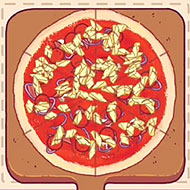




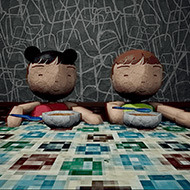
Family Secrets 1: Empty Plate looks like a quiet story about looking after a little brother for a few days. It plays like one too, right up until the ordinary parts of that routine stop feeling ordinary.
Family Secrets 1: Empty Plate Keeps Miko’s Job Small on Purpose
You play as Miko, left in charge of younger sibling Jun after their mother has to leave for work for several days. There’s no combat, no weapon collection, no upgrade tree, and no score — just WASD movement, E to interact or skip dialogue, F to toggle the flashlight, and ESC to pause. The entire game is built from that small control set.
Because the mechanics are so minimal, almost everything the game communicates comes through what you notice while exploring the house rather than through any system explaining it to you directly.
In Family Secrets 1: Empty Plate, the House Doesn’t Stay Comfortable for Long
Checking objects, exploring rooms, and triggering the next story beat is the entire structure of Family Secrets 1: Empty Plate, and at around 30 to 40 minutes long, it’s built as one continuous read rather than a game meant to be replayed for variety. Players expecting a jump-scare-driven horror game tend to be caught off guard by how much of the tension comes from an ordinary domestic setup slowly stopping feeling ordinary, rather than from anything chasing you outright.
Do I need to protect Jun directly during the game?
The core loop is built around movement, observation, and interaction rather than direct protection mechanics — there’s no combat system standing between Miko and anything in the house.
What makes Family Secrets 1: Empty Plate work isn’t a single scare — it’s watching an evening of looking after Jun quietly stop looking like an ordinary evening, one small noticed detail at a time.
Comments
There are no reviews yet. Be the first one to write one.