





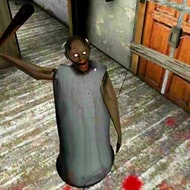


Dead Plate












What happens when the charming chef who owns your bistro is the reason you keep waking up from the same nightmare? Dead Plate spends its daytime hours as a brisk restaurant tycoon and its nighttime hours making sure you never fully trust the answer.
Rody’s Shift Never Really Ends
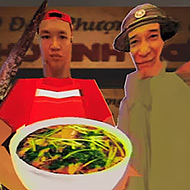
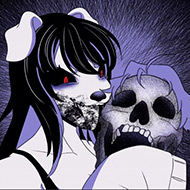
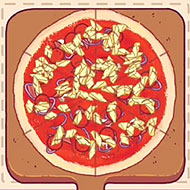
Dead Plate follows Rody, a waiter trying to earn as much money as possible in a week working for Vince, the charismatic chef who owns a fancy 1960s French bistro. By day, the game plays as a restaurant tycoon: rushing between tables, taking orders, serving food, and clearing plates fast enough to hit a daily earnings target before the bistro closes.
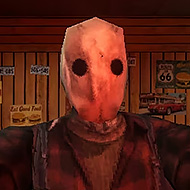
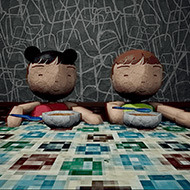
By night, control shifts to a visual novel layer where Rody has violent, disturbing nightmares about Vince and himself — dreams that start feeling less like dreams the further into the week you get.
Dead Plate Splits Into Two Very Different Genres
- Tycoon layer: classic time-pressure service — orders, plating, cleaning — built to reward speed and table management.
- Visual novel layer: slower, story-driven scenes that reveal what’s actually happening behind the bistro’s kitchen doors.
- Clear each day’s service target to keep the story from stalling.
- Pay attention to nightmare sequences — they’re not filler, they’re the game’s real throughline.
- Expect the tone to shift hard between the two halves of each day.
The Bistro Itself Is Built for Repeat Attention
Dead Plate spans 8 maps and over 70 CGs across a full week, with more than 8,000 words of character-driven dialogue between Rody and Vince. New players who treat the daytime service half as the whole game tend to miss how much of the actual story is delivered through the quieter nighttime scenes instead.
With 4 different endings, plus variations in dialogue and hidden details along the way, a single playthrough of Dead Plate — roughly an hour to an hour and a half for one ending — doesn’t show everything the week has to offer.
Is Dead Plate mostly a cooking game or mostly a horror game?
Both, deliberately — the tycoon-style service sections and the visual novel horror sections are built to run side by side rather than one being a wrapper for the other.
Do the endings change based on how well I serve customers?
Serving performance and the choices made during the visual novel sections both factor in, since Dead Plate tracks more than just your daily earnings target across the week.
By the end of a week in Dead Plate, what stays with most players isn’t the plating or the earnings target — it’s whether Vince, still smiling behind the counter, ever stopped being the charming chef Rody thought he was working for.
Comments
There are no reviews yet. Be the first one to write one.