













Mystery Guide
Railway Chai Wala looks like a cozy, colorful stall-management game about chai and samosas, but it plays like a psychological thriller wearing that stall as a disguise. The mystery layer isn’t a bonus mode bolted onto the cooking — it’s the actual point the service loop exists to hide. Developed as a free-to-play, first-person indie title, Railway Chai Wala puts you in the shoes of Ramu, a hardworking chaiwala running his shop at Fakripur railway station, and lets the mystery grow out of the same shift you’re already spending brewing chai and frying samosas.
Fakripur Station’s Surface Is Deliberately Inviting
The station is built around arriving trains, rushing passengers, and food stalls — the familiar, lived-in energy of Indian railway life, rendered in enough detail that the setting itself has been singled out as one of the game’s stronger elements. That warmth isn’t incidental. Railway Chai Wala leans on Fakripur station feeling ordinary and busy specifically so the moments where it stops feeling that way land harder.
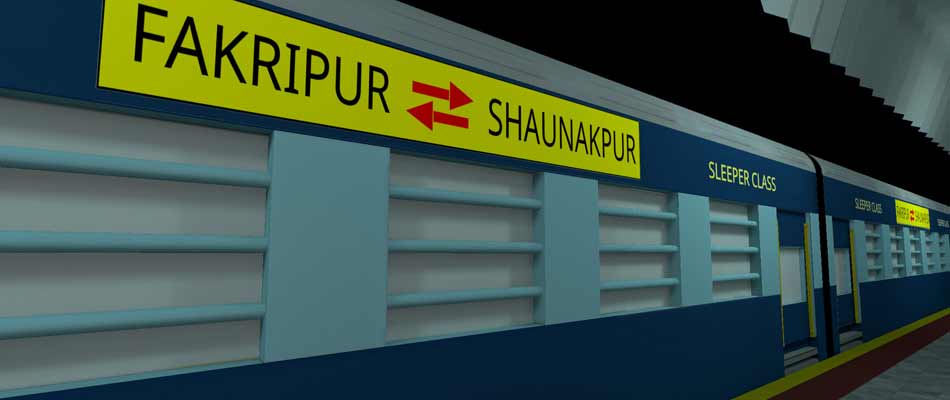
Players who come in expecting a straightforward simulation tend to spend the early part of a run reading the station purely as a workplace — trains, queues, orders — before the game starts asking them to read it as a setting with something wrong underneath it. The first-person camera reinforces this: you’re not looking down at Fakripur station from a management-sim overview, you’re standing at stall height, which means anything unusual has to be noticed the same way you’d notice it in real life — in passing, at the edge of your attention, while your hands are busy with a kettle or a frying pan.
This is also why the setting gets praised for its atmosphere rather than for any single scary set piece. The vibrant visuals, the platform noise, the rhythm of trains pulling in and pulling out — all of it is doing double duty as both authentic Indian railway flavor and as camouflage for the game’s actual genre.
Railway Chai Wala’s Passengers Are the Actual Puzzle
Beyond taking orders, Railway Chai Wala is built as a story-rich, interactive-fiction-leaning game where passenger conversations carry real narrative weight. The cast is described as colorful and full of quirks, but some of them behave in ways that read as distinctly eerie rather than just talkative or difficult — and figuring out which passengers are worth paying closer attention to is part of how the mystery actually unfolds.
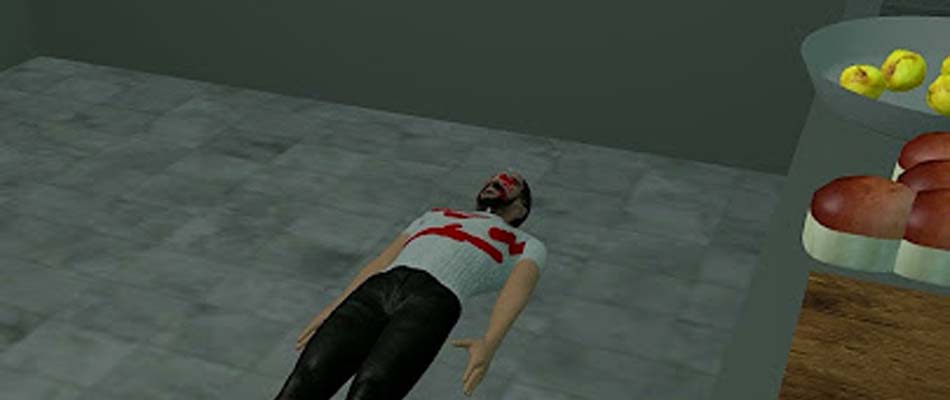
This is where the game’s classification as both a mystery and a horror title earns itself — the unease doesn’t arrive through jump scares layered on top of the cooking gameplay, it arrives through paying attention to people you’d otherwise just be handing chai to. A passenger who repeats a line slightly wrong, who orders something that doesn’t match what a normal traveler would want, or who lingers at the counter a beat too long is doing more narrative work in Railway Chai Wala than a locked door or a hidden key ever could.
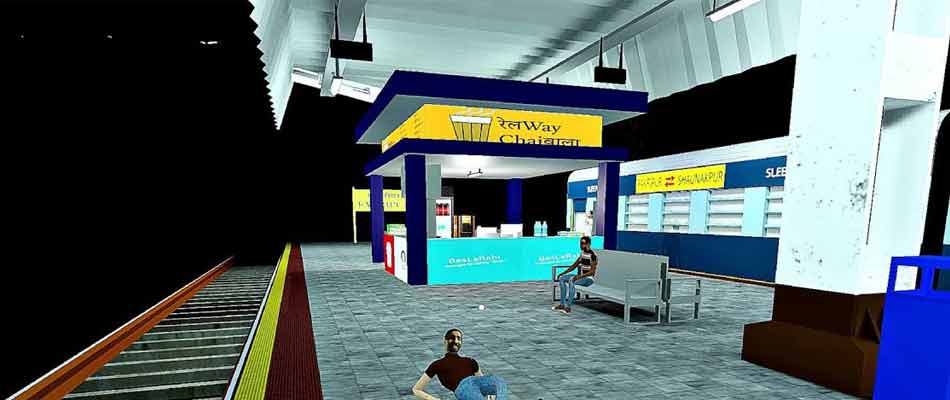
Because the passenger pool is large and mostly ordinary, the game relies on your own pattern recognition rather than on flagging anomalies for you. That’s a deliberate design choice: if Railway Chai Wala highlighted every strange passenger with a glowing icon, the mystery would collapse into a checklist. Instead it trusts you to notice the same way Ramu himself would — gradually, and usually a little too late to feel comfortable about it.
In Railway Chai Wala, Uncovering Secrets Means Reading the Station, Not Solving a Puzzle Box
Railway Chai Wala frames its mystery as spine-chilling secrets lurking in the station’s shadows, uncovered through strange events rather than a conventional item-based puzzle chain. That framing matters for how you should approach a run: the investigation side rewards noticing what’s off about a passenger, an event, or a moment at the stall more than it rewards searching the environment for hidden objects the way a typical point-and-click mystery might.
Practically, this means the strongest tool you have in Railway Chai Wala isn’t an inventory or a clue log — it’s attention. The station will not stop moving to let you investigate; trains keep arriving, queues keep forming, and the mystery threads itself through that ongoing pressure rather than pausing it. Learning to split your focus between “serve the next passenger correctly” and “notice that something about this shift isn’t right” is the actual skill the horror side of the game is testing.
What players discuss most about this side of the game is exactly how well it blends into the ordinary shift — the same review consensus that praises Fakripur station’s atmosphere also credits the mystery with earning its unease honestly, since serving chai to someone can turn unsettling without the tone shift ever feeling like a separate mode kicking in. Anyone wondering whether the horror side ever fully takes over the cooking side will find the answer is no — Railway Chai Wala keeps both running at once for the length of the game rather than switching from one to the other.
How Ramu’s Perspective Shapes What You’re Allowed to Know
Because Railway Chai Wala is told entirely from Ramu’s first-person viewpoint, the mystery is bounded by what a chaiwala working a counter would plausibly see and overhear. You don’t get cutscenes that step outside Ramu’s shift to explain what’s really going on at Fakripur station — you get his shift, his conversations, and his growing sense that something underneath the platform noise doesn’t add up. That restriction is part of what makes the game’s horror label feel earned rather than decorative: dread builds from limited information, not from the game showing you the monster early and then making you wait.
This also means replaying a shift with the mystery in mind changes what you notice. Details that read as harmless small talk on a first pass — an offhand comment from a passenger, a strange request tacked onto a normal chai order — tend to read differently once you already suspect the station is hiding something, which is a big part of why the game rewards a second, more attentive playthrough rather than a single rushed one.
Tips for Tracking Railway Chai Wala’s Mystery Without Falling Behind on Service
Since the investigation never pauses the stall-management loop, a few habits help you catch what matters without letting a queue collapse around you:
- Treat any passenger dialogue that repeats, contradicts itself, or feels rehearsed as worth a second look — Fakripur station’s cast is written to be colorful by default, so genuine anomalies tend to stand out through tone rather than through obvious scripting.
- Don’t assume the mystery only progresses during “quiet” moments. Some of the more unsettling beats land specifically while a train has just unloaded and you’re at your busiest, which is exactly why the tension works.
- Keep serving accurately even when something feels off. Railway Chai Wala doesn’t reward abandoning the counter to chase a hunch — the horror and the service loop are meant to be handled together, not traded off against each other.
Is Railway Chai Wala more of a horror game or a cooking game?
Both tags are accurate at once. Railway Chai Wala is built so the chai-and-samosa service loop and the psychological-thriller mystery run in parallel for the entire game, rather than one taking over from the other partway through.
Do I need to find items to solve the mystery in Railway Chai Wala?
No. The station’s secrets are uncovered through strange events and passenger behavior rather than a traditional item-based puzzle chain, so the game rewards observation over searching.
What makes the mystery in Railway Chai Wala work isn’t a single big reveal — it’s the accumulation of small, uneasy details noticed while your hands are still full of chai and samosas for the next passenger in line at Fakripur station.